
The Future of Flushables: Why Sustainable Materials are the New Standard
The wet wipes industry is at a critical juncture. For years, convenience came at a cost, with traditional wipes contributing significantly to plastic pollution and sewer blockages (so-called “fatbergs”).
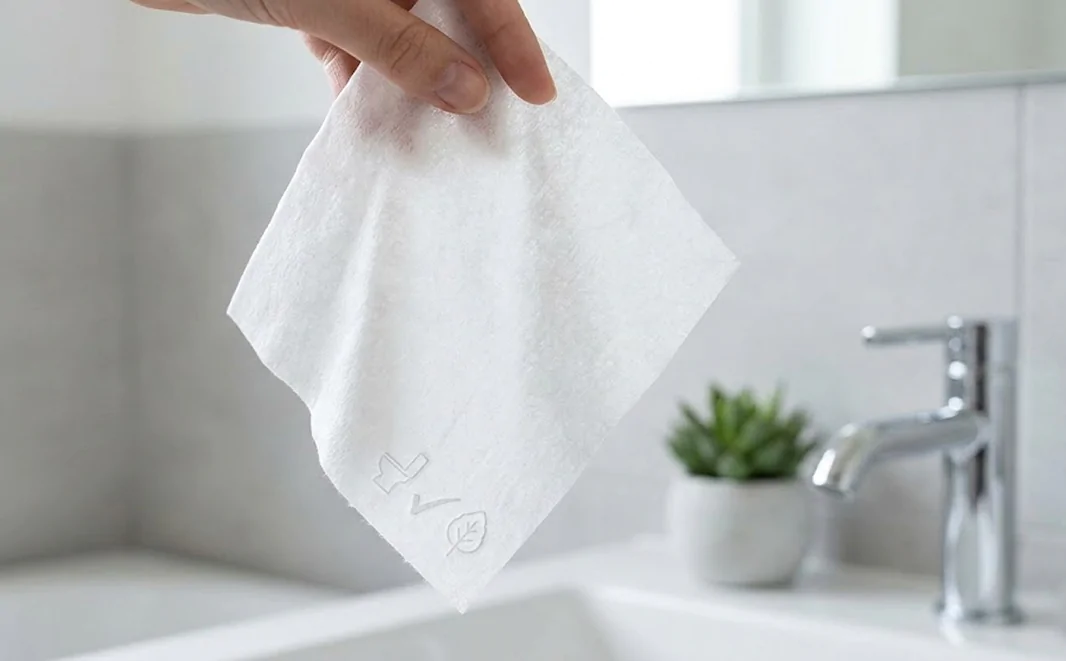
However, a powerful transformation is underway, driven by both regulatory pressure and a seismic shift in consumer preferences. The future of wipes is not just about being disposable; it’s about being sustainable, and the industry is responding with unprecedented innovation in flushable and biodegradable materials.
For decades, the standard material for nonwoven wipes was a blend of synthetic fibers, primarily polyester and polypropylene, selected for their strength and low cost. These plastics are persistent in the environment and are the primary source of microplastics derived from wipes. The Single-Use Plastics Directive (SUPD) in the European Union, which introduced mandatory “plastic in product” labeling for certain wipes, acted as a catalyst. Manufacturers globally are now rushing to replace these synthetics with natural, plant-based alternatives.
The hottest innovation area is flushable wipes. To be truly flushable, a wipe must pass rigorous tests to ensure it disintegrates quickly in sewer systems, not just down the toilet. New standards, such as the CEN/TR 17010 in Europe and international guidelines, are defining what constitutes a safe, flushable product. We are seeing a new generation of nonwovens made from 100% natural fibers like wood pulp, viscose (rayon), and lyocell (Tencel™). These materials are engineered to maintain strength during use when wet, but rapidly lose that structural integrity when agitation and a large volume of water (like a toilet flush) are applied.
Beyond flushability, the demand for biodegradable and compostable wipes for household, baby, and personal care is exploding. Materials like organic cotton and bamboo are increasingly popular, appealing to eco-conscious consumers willing to pay a premium for a plastic-free life. The challenge for manufacturers is to balance performance—softness, strength, moisture retention—with these environmental credentials, all while navigating a complex landscape of global certifications and preventing the trap of “greenwashing.”