
The trend towards specialized formulations for different skin types and applications.
The image of a “standard” wet wipe is rapidly fading. Today, the most dynamic segment of the market is defined not by the nonwoven substrate, but by the complex, science-led formulation it carries.
Driven by consumer demand for products that align with their specific skin types, health concerns, and lifestyle needs, manufacturers are transforming the humble wipe into a sophisticated, targeted delivery system for active ingredients. “One-size-fits-all” is out; “precision hygiene” is in.
This evolution is most visible in personal care and beauty. While basic cleansing remains the foundation, new formulations integrate ingredients previously reserved for high-end skincare. We are seeing wipes designed specifically for acne-prone skin (containing salicylic acid), eczema relief (colloidal oatmeal), and powerful anti-aging benefits (retinol and hyaluronic acid). The ultimate frontier is microbiome-friendly formulations. These products use prebiotics and probiotics to support the skin’s natural bacterial ecosystem, promoting health and resilience, rather than just stripping away all bacteria.
The post-pandemic landscape has also solidified the demand for high-performance antibacterial and disinfectant wipes. While these have always existed, the formulation science has matured. Manufacturers are balancing strong biocidal efficacy against pathogens like viruses and bacteria with skin safety, focusing on formulations that are gentle enough for frequent use without causing irritation. Beyond human skin, specialized industrial and surface wipes use complex chemistry to target specific residues, from heavy grease to medical-grade pathogens.
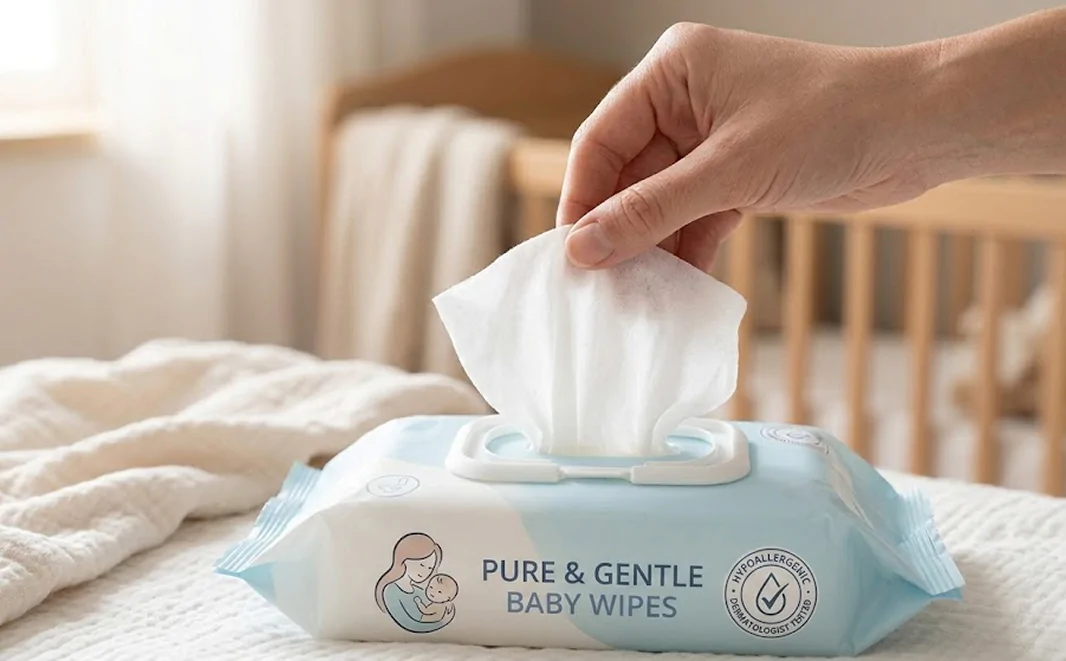
For the youngest consumers, the trend is “ultra-pure” and “hypoallergenic.” Formulations are being simplified, removing fragrances, parabens, and common irritants. The focus is on water-based lotions (often 99% water) supplemented with minimal, food-grade preservatives and soothing botanical extracts like chamomile or aloe. The challenge, and the innovation, lies in achieving this simplicity while ensuring the product remains microbiologically stable throughout its shelf life.